The most expensive mistake you can make with a Yiwu trip costs nothing at the market itself. It is booking flights for a week when the market is shut, or half asleep. Because we run a Yiwu market buying service year round, we live inside the market’s calendar, and it has a rhythm that surprises people: a long daily routine that barely varies, a handful of holidays that stop everything, and quiet and busy seasons that change what the corridors feel like and how fast suppliers can move. This post lays that rhythm out so you can plan around it.
A normal market day
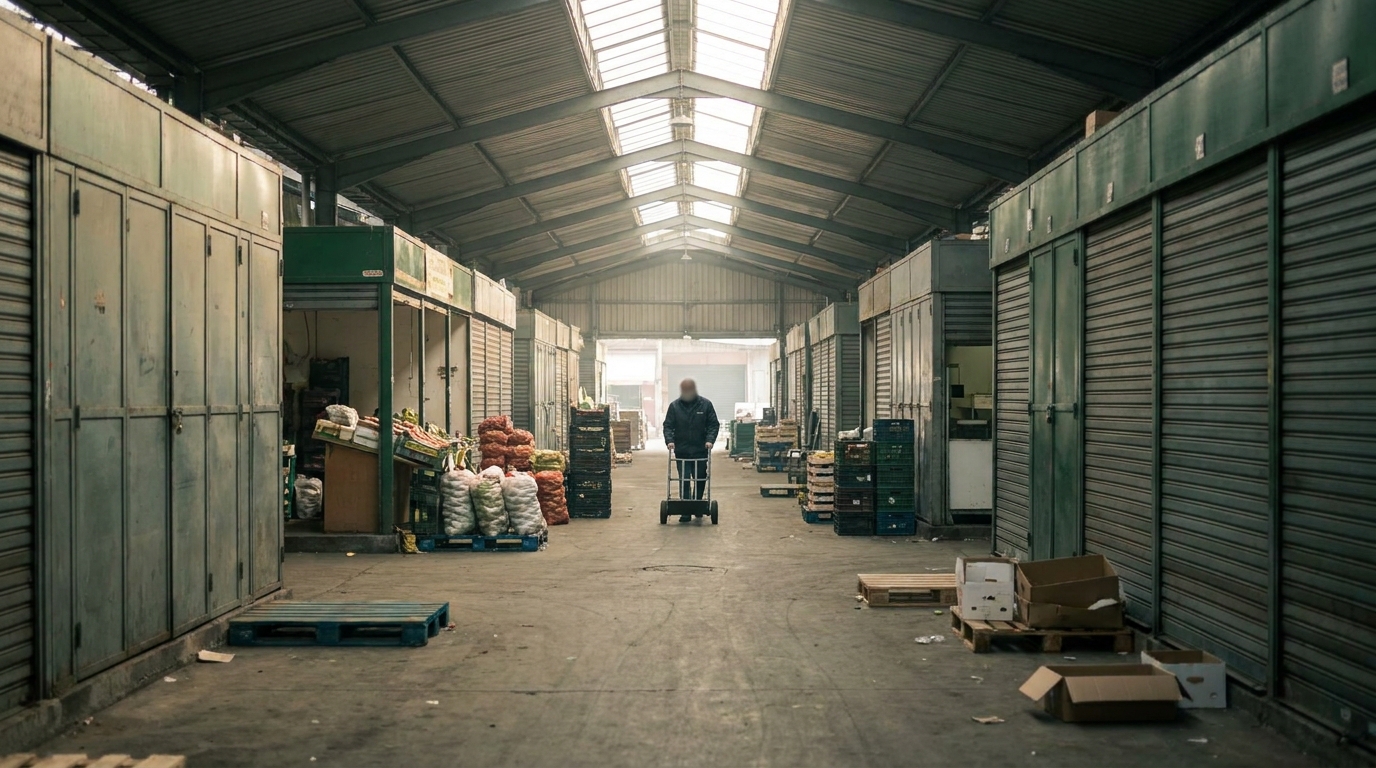
Day to day, Futian Market keeps steady hours: doors open in the morning, roughly nine, and trade winds down towards five in the afternoon. Treat those times as the shape of the day rather than a printed timetable, and confirm the current official hours before you travel, since they are adjusted from time to time.
The texture of the day matters as much as the hours. The first hour is calm and good for unhurried conversations. The middle of the day is the market at full speed. From mid afternoon a slow tide of closing begins: shutters come down early on some booths, sellers start packing cartons for dispatch, and by the final hour you are negotiating with people whose minds are partly on the school run. Our practical rule is simple. Do the work that needs fresh attention, comparing corridors, opening negotiations, checking samples, before lunch. Use the afternoon for follow ups and confirmations.
One more feature that surprises visitors: the market runs seven days a week. There is no weekend closure to plan around, which is a quiet gift to anyone flying in for a short trip. Weekends can feel marginally different in tempo, but the booths are open and business is normal.
Chinese New Year: the one closure that dominates the calendar
Everything else in this post is detail next to this. Chinese New Year, also called Spring Festival, is the country’s main holiday, and it closes the market completely for an extended break. It is the only time of year when the answer to “can I go to Yiwu next week?” can simply be no.
The date is the trap. Chinese New Year follows the lunar calendar, so it moves each year, falling somewhere in the window from late January to mid February. Do not plan from memory of a previous year, and do not trust an old blog post’s dates, ours included. Look up the actual holiday dates for the specific year you intend to travel, then plan wide margins around them.
Wide margins, because the closure is only the visible part. The real disruption is longer on both sides:
- In the weeks before the holiday, factories are racing to clear orders before workers travel home. Production slots fill up, lead times stretch, and freight gets crowded as everyone ships at once.
- During the official break, the market is shut and suppliers are unreachable in any useful way.
- After the break, reopening is gradual rather than instant. Booths reopen over days, and factories take longer still, since workers return from home provinces in waves and production lines restart in stages.
Put together, the practical dead zone for placing and receiving orders is considerably longer than the holiday itself. If your goods must land before a spring selling season, work backwards from your deadline and get orders confirmed well before the pre holiday crush. This is the single scheduling question we spend the most time on with clients.
The other holidays worth knowing
China’s National Day holiday begins on the first of October and runs as a holiday week. The market’s behaviour around it varies, some years it closes for part of the week, and some booth holders take longer breaks around it, so check the current year’s arrangements rather than assuming. Shorter public holidays are scattered through the year, and most are minor from a buyer’s point of view: a day or two, sometimes with the market open anyway. The sensible habit is the same in every case. Before you fix travel dates, check that year’s Chinese public holiday calendar and confirm the market’s own schedule against it.
The quiet months and the busy months
Beyond hard closures, the market breathes with the seasons, and the pattern takes new buyers by surprise because it runs far ahead of the retail calendar.
Seasonal goods are bought months before their season. Buyers of Christmas products, to take the famous Yiwu example, are walking the relevant corridors in spring and early summer, so that goods can be produced, shipped and distributed in time. Turn up in November hoping to order Christmas stock for that same December and you will find the season effectively over from a production point of view. The same logic, shifted along the calendar, applies to summer goods, festival items and holiday lines of every kind: the corridor is busiest roughly half a year before the shelf is.
The weeks immediately after Chinese New Year are the year’s slow restart, quiet corridors and suppliers still getting production moving. Then the pace builds through spring, which in our experience is one of the most crowded and energetic stretches, and the autumn months bring another strong wave as buyers position stock for year end retail. The stretch approaching Chinese New Year turns frantic in a different way, less about new buying and more about everyone pushing existing orders out of the door.
None of this means a quiet month is a bad time to come. Quiet corridors mean longer conversations, more patient sellers and easier access to the people who actually decide prices. If your buying is not tied to a season, a calm week can be the most productive week available. The point is only to know which kind of market you are walking into.
Planning a trip around the rhythm
Pulling the threads together into a short checklist:
- Check the current year’s Chinese New Year dates first, and keep your trip well clear of the closure and the slow restart after it.
- Check the National Day week in early October and confirm how the market is handling it that year.
- If your goods are seasonal, count backwards from your selling season by the production and shipping time, and expect to be buying months ahead.
- Confirm the market’s current daily hours shortly before you fly.
- Plan your market days around mornings, and keep afternoons for follow up.
When the calendar and your diary refuse to line up
Sometimes the maths simply does not work: the only week you can travel is the wrong week, or your reorder deadline lands inside the holiday dead zone. This is where having people permanently on the ground changes the picture. A Yiwu market buying service works the market on the days you cannot, chases pre holiday production so your order makes the cut, and confirms in real time whether a given week is worth flying for. If you are trying to fit a buying trip around this calendar, or around a deadline that will not move, write to info@sourcingagentyiwu.com or message +86 136-6892-2294 on WhatsApp and we will look at the dates with you before you book anything.