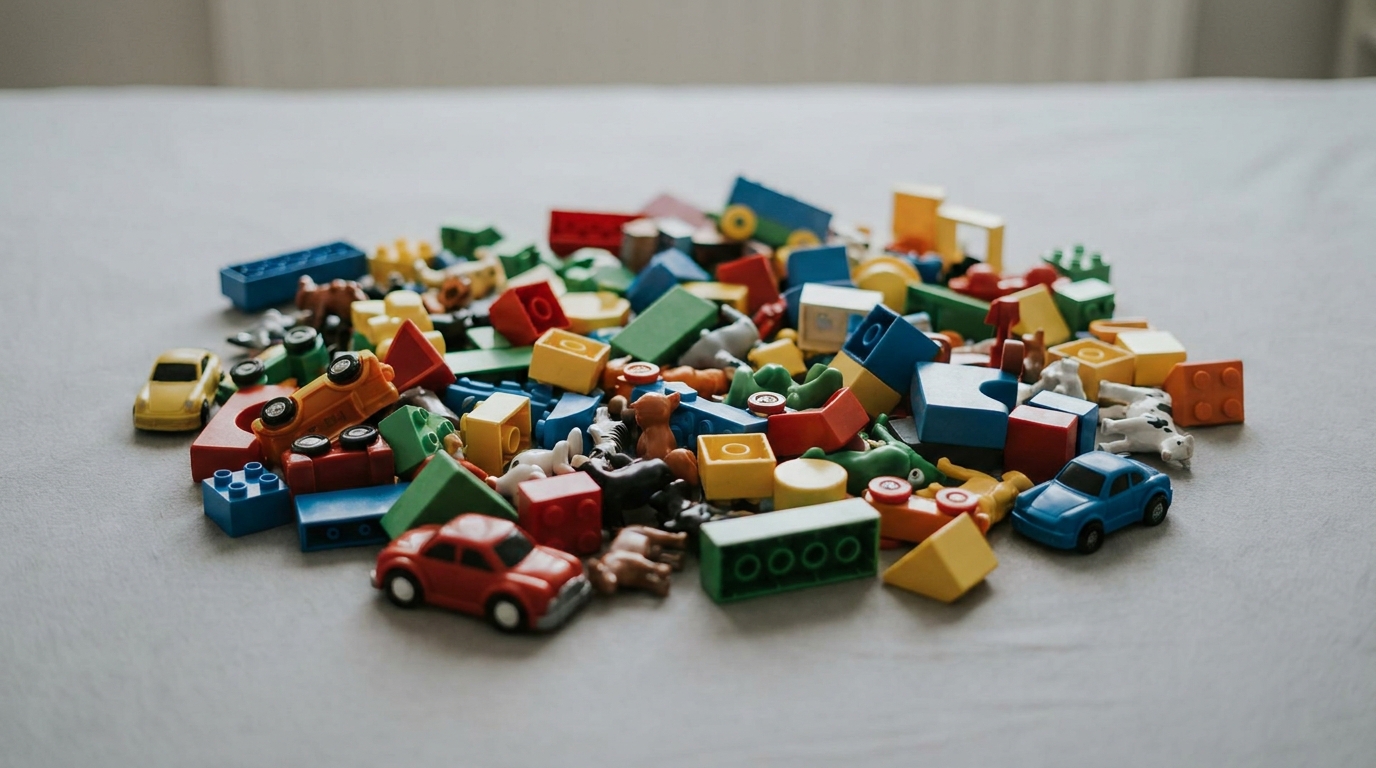
Toys are one of the first categories people think of when they decide to source products from Yiwu, and for good reason. The toy section of the market is enormous, the variety is close to overwhelming, and the unit prices look very friendly next to what the same item sells for at retail in Europe or the Americas. It is also, in our view, one of the categories where a first-time buyer can get into the most trouble, because toys carry obligations that a phone case or a photo frame does not. So rather than a general tour, this guide walks you through choosing a first toy order, decision by decision, the way we would walk a new client through it.
Before anything else, decide who the toy is for
Not which child. Which buyer. A toy destined for a market stall, a toy destined for an online marketplace, and a toy destined for a chain of shops are three different sourcing problems. Marketplaces have their own listing requirements. Shops want retail-ready packaging. A stall trader can often work with bulk-packed goods in a polybag. Settle this before you look at a single product, because it changes what “good enough” means for everything that follows.
The second early decision is age group. Toys aimed at very young children are treated more strictly in most destination markets than toys for older children, particularly around small parts that could be swallowed. We are not going to tell you where any legal line sits, because that depends on your country and is a question for a qualified compliance professional or test laboratory there. What we will say is that the age group you target shapes risk, testing cost and packaging, so pick it deliberately.
Step one: shortlist product types, not products
Walking into the toy floors without a shortlist is a mistake almost everyone makes once. There are aisles of plush, aisles of die-cast cars, aisles of dolls, building bricks, water guns, puzzles, wind-up animals, remote control everything. If you try to evaluate it all you will evaluate none of it well.
Shortlist three or four product types before you arrive, or before you brief an agent if you are buying remotely. For each type, know roughly what it retails for in your market and what competitors’ listings look like. That homework takes an evening and saves days.
Step two: look at the toy the way an inspector would
When you have a candidate in your hands, slow down. Most of what separates a decent toy from a headache is visible if you look for it.
- Mould quality. Plastic toys come out of steel moulds, and the mould tells you a lot about the maker. Look at the seam lines where the two halves of the mould meet. On a well-made toy the seam is tight and smooth. On a tired or cheap mould you get flash, the thin ragged plastic left along the seam, and sharp edges a child’s hand will find. Flash on a sample usually means flash on ten thousand pieces.
- Small parts. Wheels, eyes, buttons, accessories. Pull on them, gently but firmly. If a part comes away in your hand at the booth, imagine it after a week with a toddler. Items with small or detachable parts face rules in most destination markets, and you must confirm with a qualified party what applies to yours.
- Paint and finish. Scratch a painted surface discreetly with a fingernail. Paint that lifts easily is a quality problem and, on a toy, potentially more than that. Surface coatings on toys are commonly subject to testing requirements in destination markets. Again, confirm the specifics with a professional.
- Smell. Trust your nose. A strong chemical smell from a plastic or plush toy is worth taking seriously.
- Seams and stuffing on plush. Squeeze the toy hard and check whether seams gap. Check that eyes and noses are anchored, not just glued.
Step three: treat battery and electronic toys as their own category
A surprising share of Yiwu toys light up, make noise or move, and every one of those contains batteries or a battery compartment. This changes three things.
First, quality. Ask whether batteries are included, what type, and try the demo unit for longer than the ten seconds the booth owner offers. Listen for crackle in the speaker, watch for flicker in the lights, open and close the battery door a few times.
Second, shipping. Goods containing certain battery types are handled differently by carriers, and some shipping options that work for ordinary toys are not available or need extra documentation. Sort this out before you buy, not after the goods reach the warehouse. Our post on air and express options for small orders touches on this from the transport side.
Third, compliance. Electronic toys typically face electrical and battery-related requirements in destination markets on top of ordinary toy rules. We flag the question; a test lab or consultant in your market answers it.
Step four: ask about the mould, even if you never buy one
You probably will not commission a private mould on a first order, and we would rarely suggest it. But asking the booth owner whether the mould for a plastic toy is their own, the factory’s open tooling, or copied from someone else’s product tells you useful things. A booth selling from its own factory’s tooling can usually discuss colour changes, logo plates and small modifications. A booth reselling another factory’s output usually cannot. And a toy that is obviously imitating a famous branded character or product is a risk you should walk away from entirely, however good the price looks. Intellectual property problems follow the importer, not the booth.
Step five: packaging and age marking
Look at the box or the polybag header card as carefully as the toy. Is the printing crisp or blurry? Does the packaging carry age marking, warnings and your market’s expected labelling, and are they in the right language? Booth stock is often packaged for the domestic market or for no market in particular, so assume packaging will need to be discussed and often changed for your order. Do not assume that any marking already printed on a box means the product actually meets any standard. Printed text is printed text. Whether the toy satisfies your market’s requirements is established by proper testing and documentation, which you arrange through qualified people, not by what a supplier prints.
Step six: sample, then order small on purpose
Take samples of your shortlisted toys, and if testing is required in your market, budget time and money for it before committing to volume. We cover the sampling process and order sheets in separate posts, so one sentence here: get the agreed specification in writing, photograph the sample, and keep it.
For quantities, MOQ on toys varies booth by booth and is negotiated, usually in carton multiples. Resist the urge to max out the budget on one item. A first toy order spread across three or four products teaches you which ones actually sell, and gives you a reorder story for the booths that performed. That relationship, more than any single deal, is where the value sits when you source products from Yiwu over the long run.
Where we fit in
Sourcing Agent Yiwu is a registered company in China with our own staff in Yiwu and warehouse space for consolidation. On toy orders we walk the floors with you or for you, collect and photograph samples, chase the packaging questions above, and consolidate mixed toy orders into one shipment. If you are weighing up a first toy order, message us on WhatsApp at +86 136-6892-2294 or email info@sourcingagentyiwu.com and tell us what you sell and to whom. That first question shapes everything else.